Control(s)
10th Street Studio
West Virginia, USA, 2022
My problem is, as with many contemporary painters before me, I find subject matter to generally be banal. To quote Barnett Newman:
‘If we could describe the art of this, the final half of the twentieth century, in a sentence it would read as the search for something to paint.’
10th Street Studio
West Virginia, USA, 2022
My problem is, as with many contemporary painters before me, I find subject matter to generally be banal. To quote Barnett Newman:
‘If we could describe the art of this, the final half of the twentieth century, in a sentence it would read as the search for something to paint.’
In my search, like many artists of the past, Pollock & Rothko the abstract-expressionists particularly spring to mind, I returned to something of my artistic heritage. In my case landscape painting; albeit on this occasion forms of pseudo-landscapes. These pieces were landscapes of the mind, very appropriate during lockdown. They spoke of isolation and staiticity mingled with experience. Drawing on memories of encounters whist being isolated, they gave me something to hang paint upon.
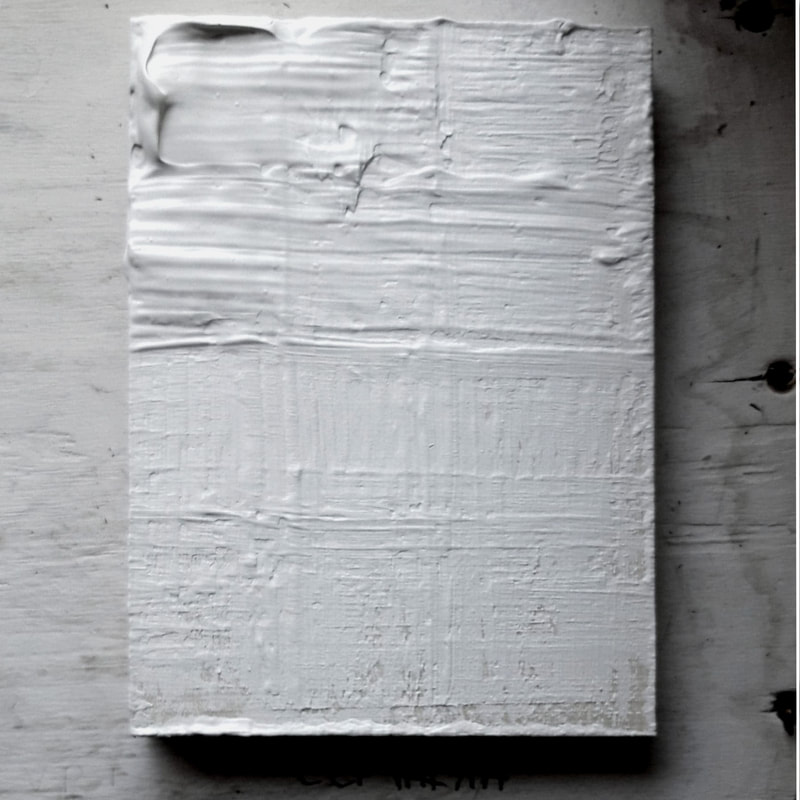
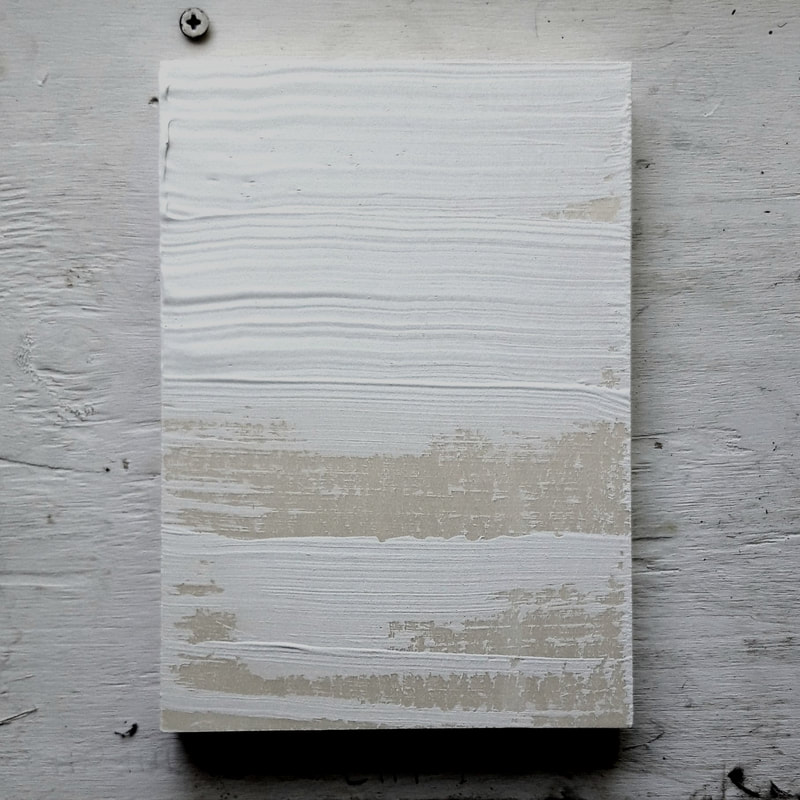
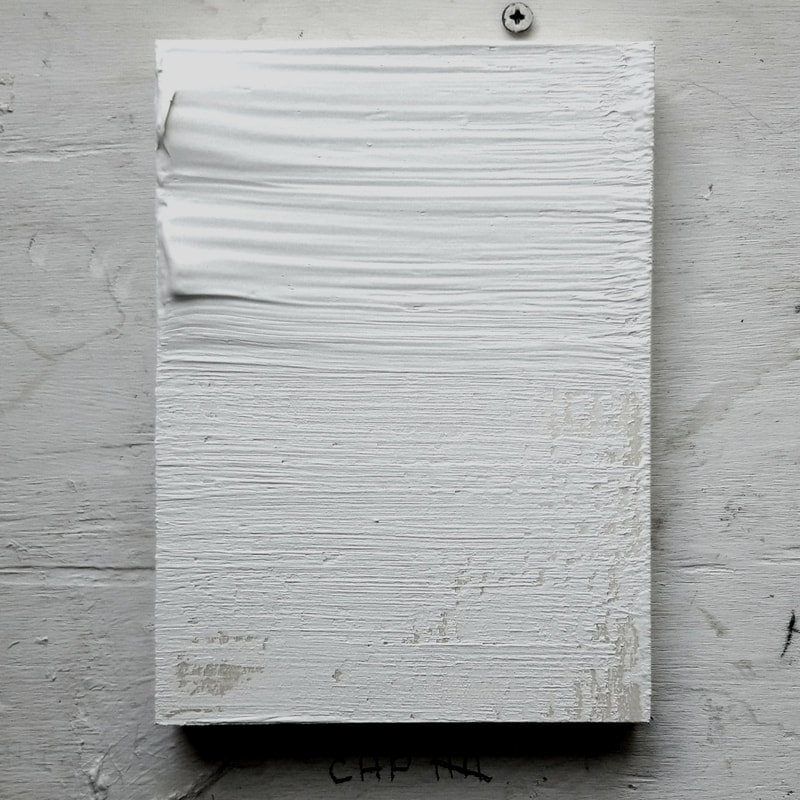
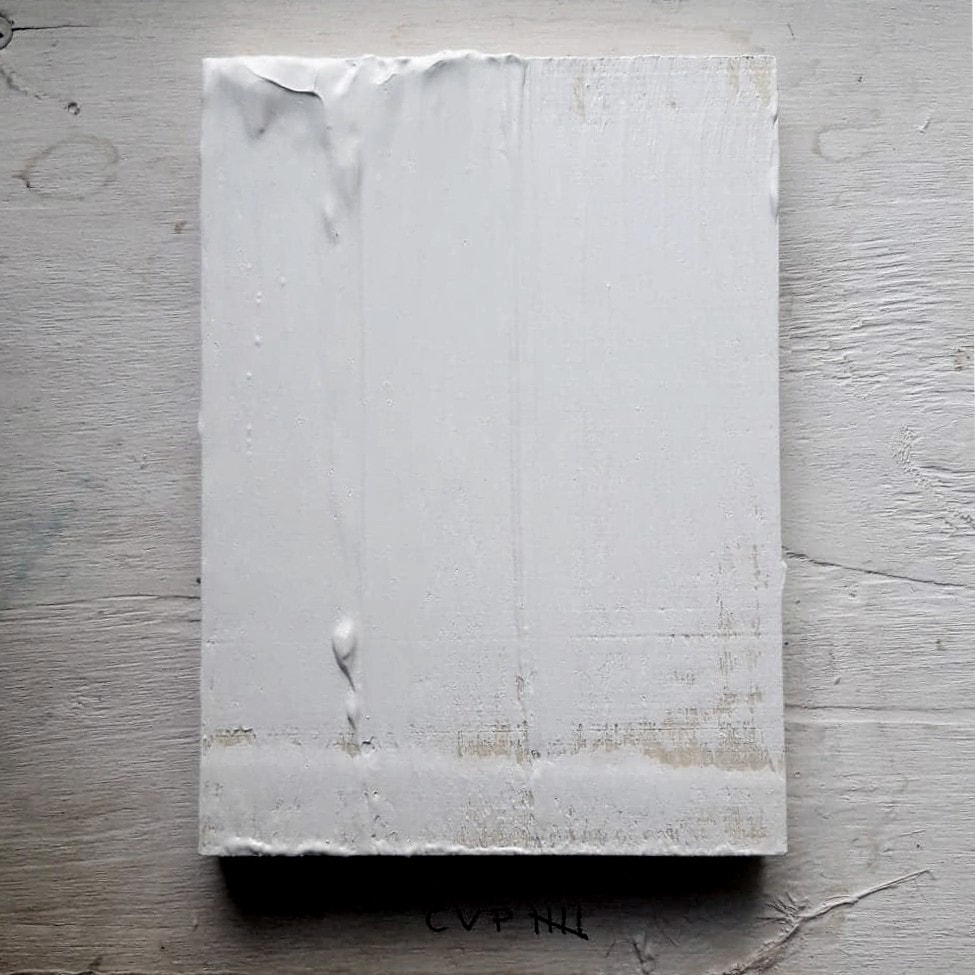
When I was able to return to my studio in the USA in late 2021, I continued work on a similar project which I had begun there before the pandemic. Utilising impasto oils and strong colourism, influenced by the light of West Virginia, I once again embarked on studies of my ‘Americana’ project. In a very short period of time I realised that very though the imagery which I was considering was undeniably thought-provoking in its own right, it now presented only prosaic interest to me as a foil for painting. I knew that the brushstrokes were everything if this work was to succeed, I therefore decided to consider a large reduction in the scale of my support to enhance their significance. To this end I purchased some small, 5” x 7”, unprimed wooden panels to work upon. Upon their arrival I began priming them with gesso, this was the point when everything changed. There was a sudden purity in these lush white brush marks, contrasting starkly with the bare wood. There was no distraction of image or even colour, just the sincerity of the brushstrokes. As I applied the thick white gesso onto the boards I knew that I had found my reason to paint.
When I was able to return to my studio in the USA in late 2021, I continued work on a similar project which I had begun there before the pandemic. Utilising impasto oils and strong colourism, influenced by the light of West Virginia, I once again embarked on studies of my ‘Americana’ project. In a very short period of time I realised that very though the imagery which I was considering was undeniably thought-provoking in its own right, it now presented only prosaic interest to me as a foil for painting. I knew that the brushstrokes were everything if this work was to succeed, I therefore decided to consider a large reduction in the scale of my support to enhance their significance. To this end I purchased some small, 5” x 7”, unprimed wooden panels to work upon. Upon their arrival I began priming them with gesso, this was the point when everything changed. There was a sudden purity in these lush white brush marks, contrasting starkly with the bare wood. There was no distraction of image or even colour, just the sincerity of the brushstrokes. As I applied the thick white gesso onto the boards I knew that I had found my reason to paint.