Composition in White (Sculpture)
The Breathe Residency
Sichuan Fine Art Institute (SFAI)
Sculpture Gallery,
Chongqing, China, 2012.
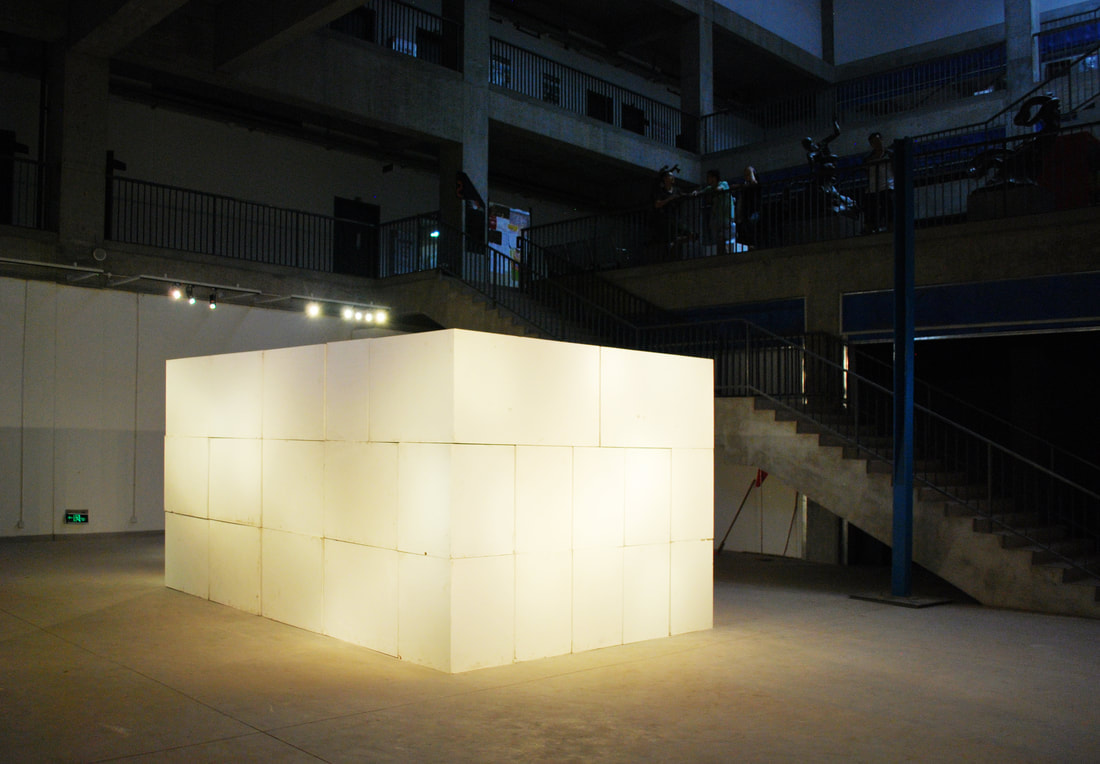
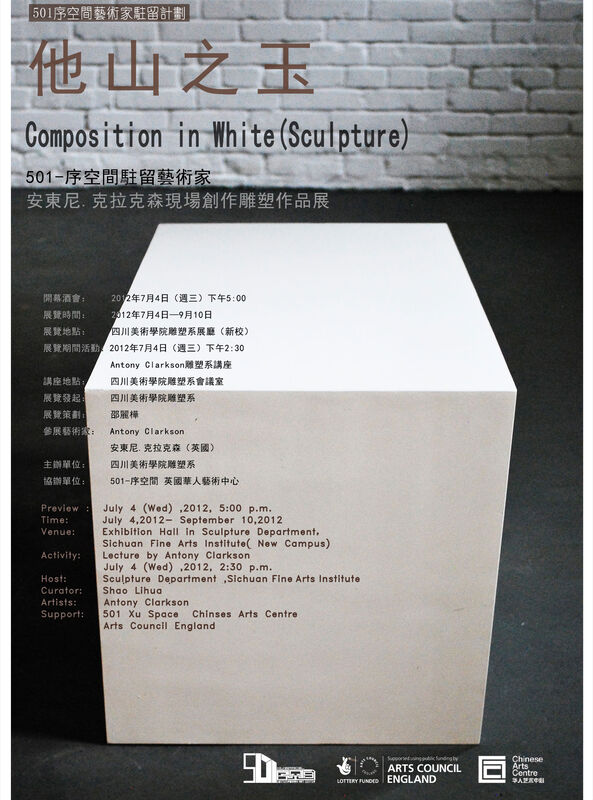
Composition in White (Sculpture) (2012) was the first of two situation-specific installations created during the Breathe Artist Residency in Chongqing, China. Commissioned by the Sculpture Gallery at the Sichuan Fine Art Institute (SFAI), the work was conceived as a site-responsive intervention unique to the gallery’s spatial and institutional context.
During the initial visit, the gallery was hosting its graduating degree exhibition: an eclectic presentation of student works displayed upon the conventional anonymous white plinth. On returning for my second visit to further assess the space, all sculptures had been removed. What remained were the plinths themselves, still positioned throughout the gallery, each covered in a fine layer of dust. Within this dust were sharply defined voids marking the exact footprints of the former sculptures. These residual traces redirected attention from the absent artworks to their supports.
The Breathe Residency
Sichuan Fine Art Institute (SFAI)
Sculpture Gallery,
Chongqing, China, 2012.
Composition in White (Sculpture) (2012) was the first of two situation-specific installations created during the Breathe Artist Residency in Chongqing, China. Commissioned by the Sculpture Gallery at the Sichuan Fine Art Institute (SFAI), the work was conceived as a site-responsive intervention unique to the gallery’s spatial and institutional context.
During the initial visit, the gallery was hosting its graduating degree exhibition: an eclectic presentation of student works displayed upon the conventional anonymous white plinth. On returning for my second visit to further assess the space, all sculptures had been removed. What remained were the plinths themselves, still positioned throughout the gallery, each covered in a fine layer of dust. Within this dust were sharply defined voids marking the exact footprints of the former sculptures. These residual traces redirected attention from the absent artworks to their supports.
The installation pivots on the displacement of the plinth from passive support to active sculptural subject. Historically, the plinth has functioned as a device of elevation and separation, mediating the sculptural object from everyday space while asserting a condition of aesthetic autonomy. Its apparent neutrality conceals its role in constructing meaning, value, and perception within the gallery. At SFAI, the dust-coated plinths bearing the negative imprints of removed sculptures revealed absence as index. The voids operated as involuntary drawings—material traces that destabilised the hierarchy between artwork and support. The plinth emerged not as a transparent ground but as a witness and co-producer of sculptural presence.
Extending concerns first explored in Sculpture & Plinth (2009), a work constructed from found filing drawers that sought to treat sculpture and plinth as a unified entity, Composition in White (Sculpture) expanded the enquiry from a singular object toward a distributed spatial field. The question shifted from how sculpture and plinth might form a unified whole, to what occurs when the support system itself becomes the subject.
Plinth Upon Plinth
The decisive gesture—placing a plinth upon a plinth, introduced a recursive structure that collapses distinctions between base and artwork. This stacking does not merely repeat form; it exposes the contingency of the support system. By elevating the plinth with another plinth, the work renders visible the normally invisible framework that authorises sculptural status.
Here, sculpture is not an autonomous object but a relational condition produced through context, mediation, and institutional framing. The gallery itself becomes material, its architecture and spatial logic implicated in the work’s meaning. The field of plinths transforms into an expanded sculptural environment in which absence, repetition, and elevation operate as critical devices.
The decisive gesture—placing a plinth upon a plinth, introduced a recursive structure that collapses distinctions between base and artwork. This stacking does not merely repeat form; it exposes the contingency of the support system. By elevating the plinth with another plinth, the work renders visible the normally invisible framework that authorises sculptural status.
Here, sculpture is not an autonomous object but a relational condition produced through context, mediation, and institutional framing. The gallery itself becomes material, its architecture and spatial logic implicated in the work’s meaning. The field of plinths transforms into an expanded sculptural environment in which absence, repetition, and elevation operate as critical devices.
Duration and Pedagogy
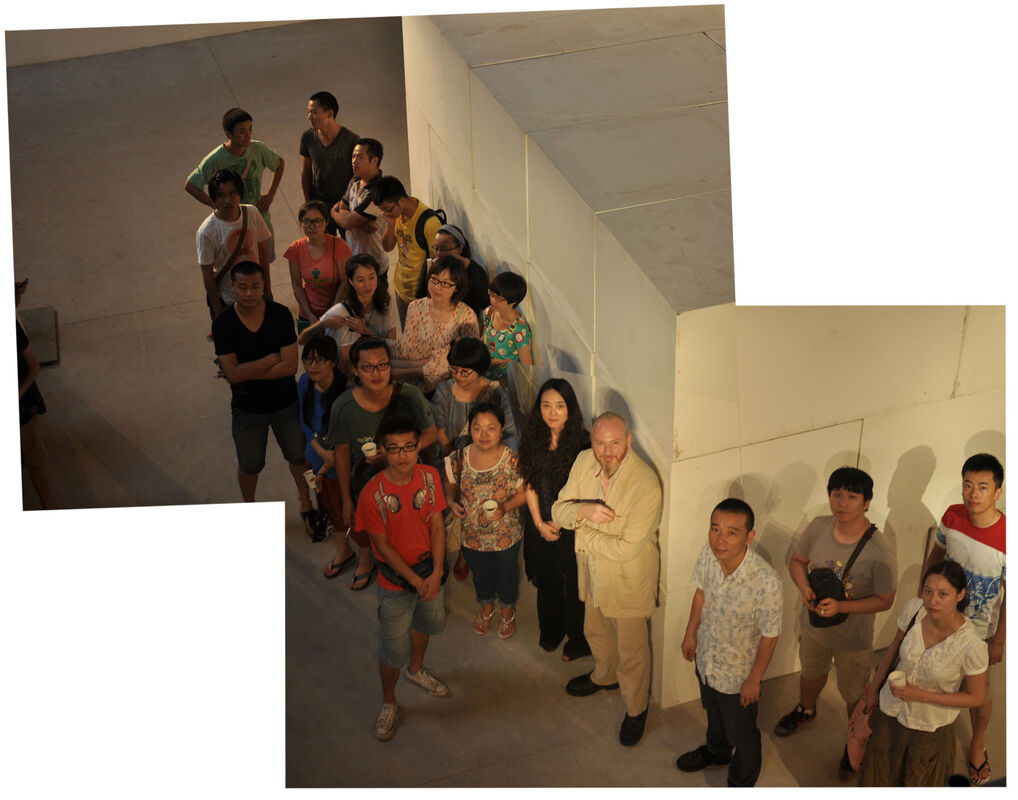
Originally scheduled to open in early July 2012 for a two-week exhibition, the installation’s duration was extended on three occasions. Ultimately, it remained on display for four months, until November 2012, allowing new and returning students at SFAI to engage with the work in greater depth.
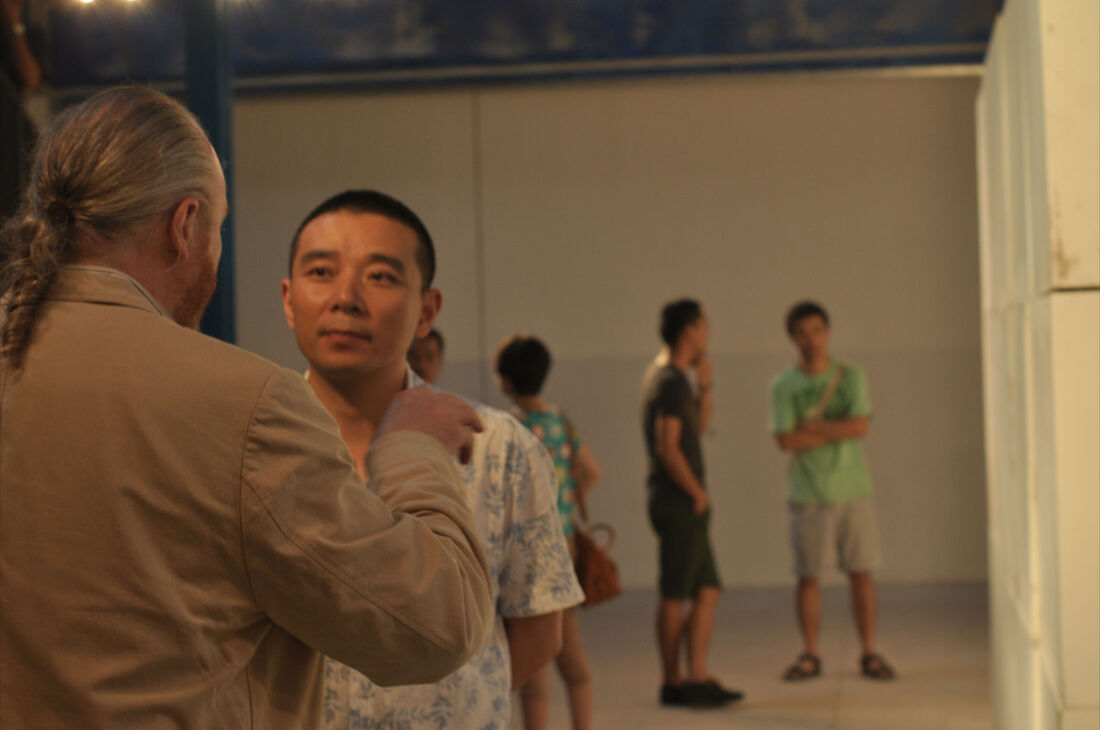
Situated within an academic institution, the installation functioned as a pedagogical proposition. It posed a series of open questions:
Originally scheduled to open in early July 2012 for a two-week exhibition, the installation’s duration was extended on three occasions. Ultimately, it remained on display for four months, until November 2012, allowing new and returning students at SFAI to engage with the work in greater depth.
Situated within an academic institution, the installation functioned as a pedagogical proposition. It posed a series of open questions:
- What constitutes sculpture when its support system is foregrounded?
- Where does an artwork begin and end?
- How does institutional framing determine what is recognised as art?